For more than four decades, I have explored what it truly means to heal—not only by treating disease, but by understanding the person who carries it.
My work brings together conventional medicine, addiction and mental health care, Eastern therapeutic traditions, preventive health and the enduring relationship between body, mind and human purpose.
When I graduated from University College Dublin in 1981, I entered medicine with a deep belief in its power to diagnose illness, relieve suffering and save lives.
Over the decades that followed, my journey took me through psychiatry in the United Kingdom, emergency medicine in Africa, international medical assistance, addiction treatment, integrative medicine and the creation of dedicated centres for recovery and wellbeing.
Each experience taught me something different.
Medicine can identify disease. It can stabilise the body and alleviate symptoms. But true healing frequently asks us to go further—to understand a person’s history, emotional world, environment, habits, relationships and sense of meaning.
Today, my work is guided by a simple conviction:
Health is not merely the absence of disease.
It is the capacity to live with physical vitality, emotional stability, mental clarity, meaningful relationships and a sense of direction.
My approach draws from both Eastern and Western medicine. It respects scientific diagnosis and evidence-based clinical care while recognising the influence of lifestyle, trauma, stress, behaviour, environment and personal responsibility.
I do not believe that patients should remain passive recipients of treatment. The physician and patient
must work together, with openness, trust and accountability, to create the conditions in which healing can take place.
A diagnosis matters, but it is only one part of the person’s story
Long-term healing requires attention to the forces that sustain illness, distress or destructive behaviour.
The most enduring progress occurs when people become active participants in their own health.
“After more than forty years in medicine, I have come to believe that healing is not something a doctor simply gives to a patient. It is a process that doctor and patient enter together.”
A medically supervised, whole-person approach to alcohol, substance and behavioural addictions— addressing physical dependence, mental health, trauma, family dynamics and the deeper suffering that often lies beneath addictive behaviour.
Personalised care that combines conventional medical understanding with carefully selected complementary approaches, lifestyle change and patient education.
Support for individuals experiencing anxiety, depression, chronic stress, burnout, trauma-related symptoms and emotional dysregulation.
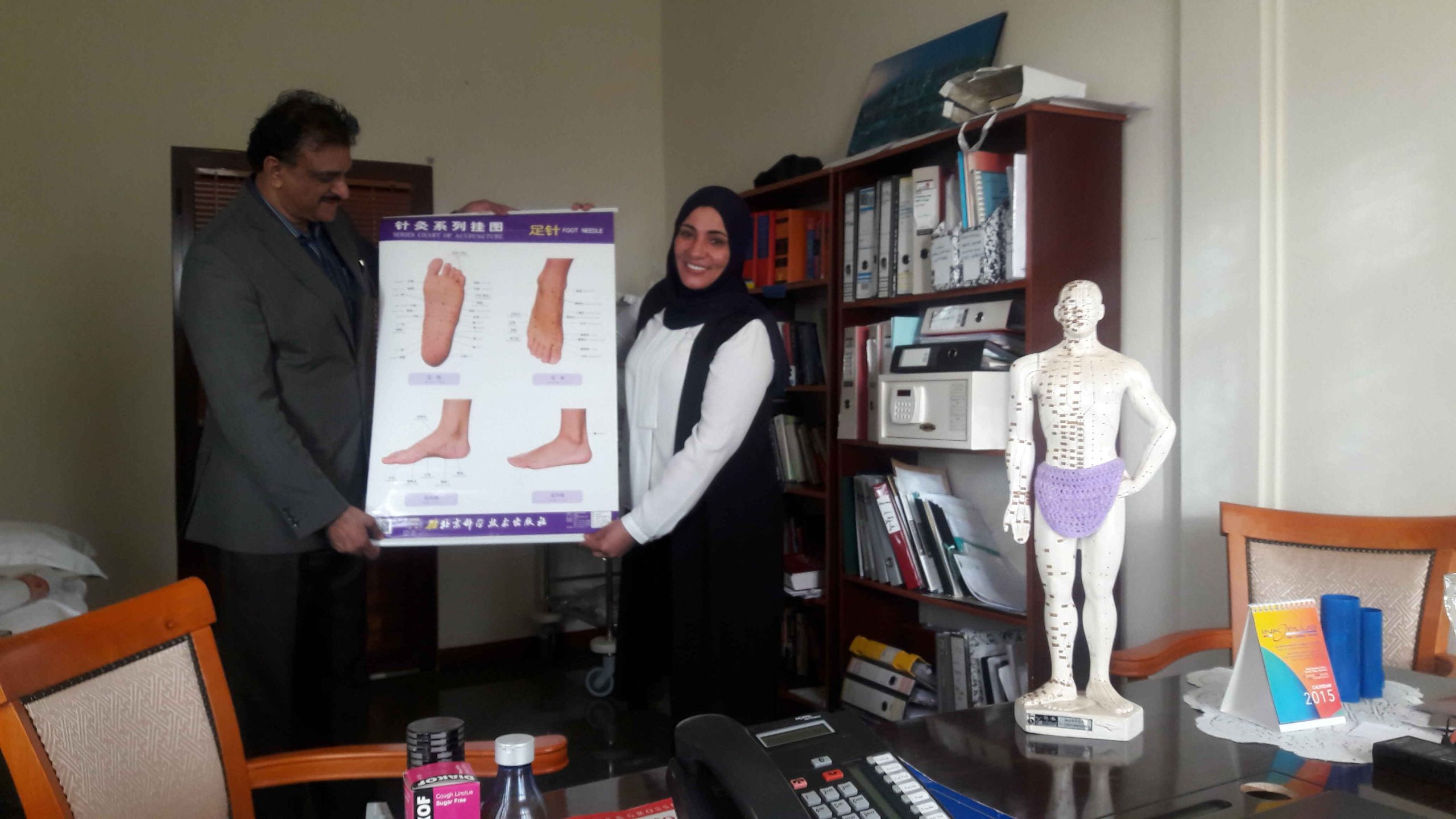
Clinical use of auricular and acupuncture-based approaches, particularly in pain management, stress regulation, addiction treatment and complex conditions that have not responded adequately to conventional care alone.
Physician-led medical assessment, preparation, clinical supervision and aftercare for carefully selected individuals receiving ibogaine-assisted treatment for addiction or trauma-related conditions. The emphasis is always on patient selection, cardiac safety, medical monitoring, ethics and integration —not on presenting ibogaine as a universal or miraculous solution.
More than three decades of experience coordinating urgent medical care, tourist medicine, hospital support and medical repatriation in Mauritius.
My education began in Mauritius and continued at University College Dublin, where I qualified in medicine in 1981.
The years that followed took me into hospital medicine and psychiatry in Ireland and the United Kingdom, addiction care in London, emergency medicine in Chad, medical assistance for international
travellers, and healthcare services for pilgrims in Makkah.
Returning to Mauritius, I began building organisations that responded to needs I had encountered throughout my career: urgent medical assistance, structured addiction recovery, private wellness care and preventive health.
Throughout my career, I have responded to recurring gaps in healthcare by creating services and environments where people can receive more coordinated, personal and sustained support.
These organisations are distinct, but they share the same underlying philosophy: medicine should be
accessible, compassionate, clinically responsible and centred on the individual.
A residential centre in Mauritius specialising in addiction recovery, mental wellness and structured rehabilitation within a private, restorative environment.
A private wellness destination offering personalised programmes for individuals seeking renewal, prevention, stress recovery and a more conscious approach to health.
A wellness retreat combining Ayurvedic traditions, restorative practices and integrative medical insight through personalised residential programmes.
Established in 1992 to provide round-the-clock medical assistance, urgent care coordination and repatriation support to international visitors in Mauritius.
Accessible medical consultations and healthcare support for travellers and visitors requiring prompt, reliable care during their stay in Mauritius.
A social initiative focused on education, prevention and the training of counsellors to support young people and families affected by addiction.
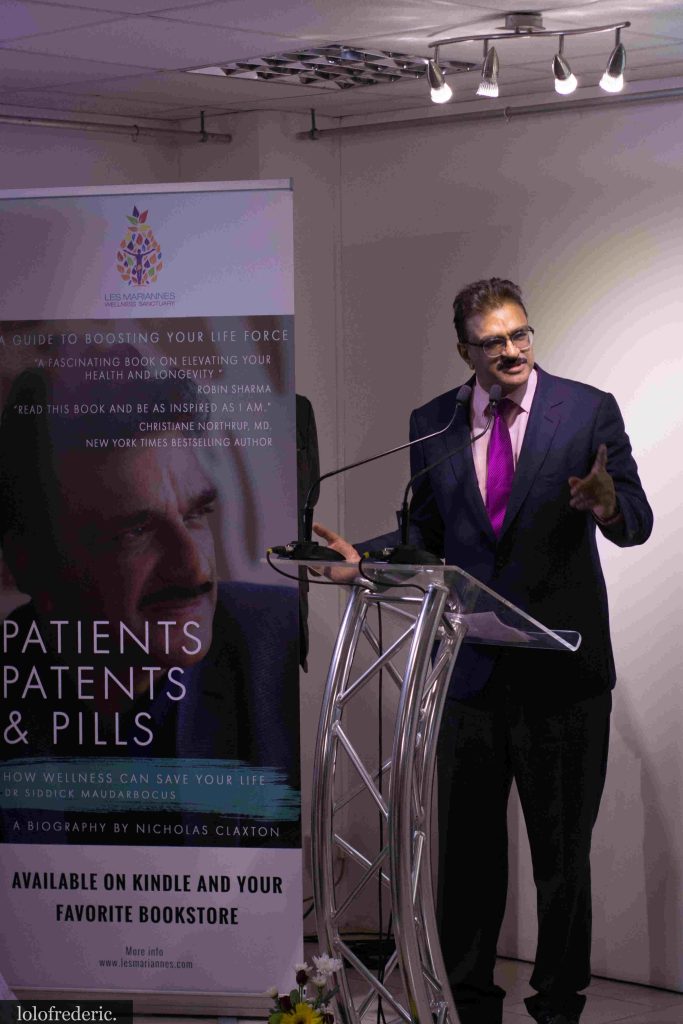
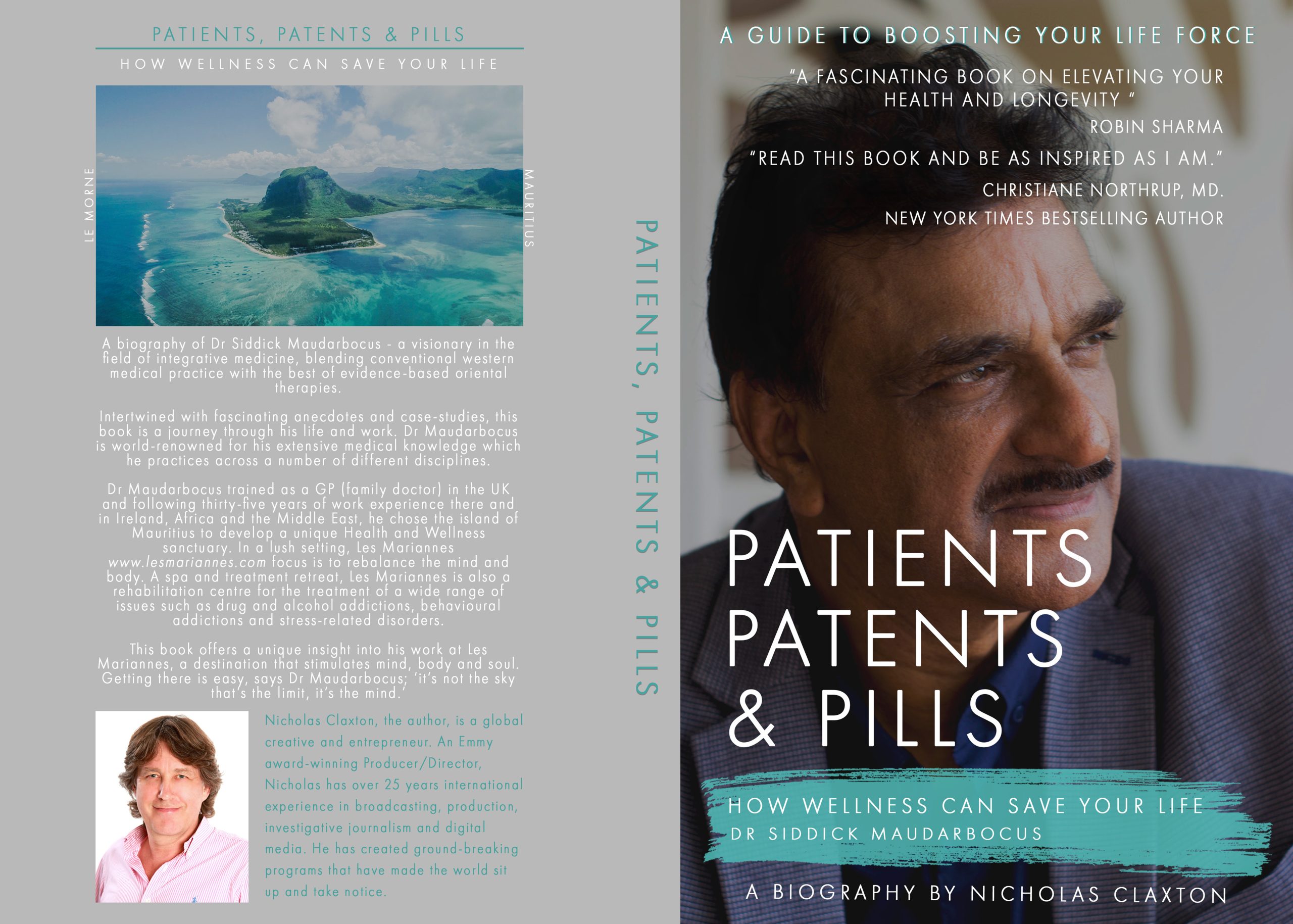
Published in 2019, Patients, Patents & Pills grew from decades of observing the extraordinary achievements of modern medicine alongside its limitations.
The book explores what can happen when healthcare becomes overly centred on disease, medication and commercial systems—and why the patient must remain at the heart of every medical decision.
Its questions continue to shape my work today:
Medicine has been my profession, but patients have been my greatest teachers.
This evolving collection brings together the stories, encounters and reflections that have shaped how I understand health, suffering, addiction, responsibility and hope.
Behind destructive behaviour there is frequently unresolved pain, fear, disconnection or a loss of meaning
A patient will often reveal the path towards healing when given enough time, safety and attention.
Medication can be essential, but lasting health may also require changes in behaviour, relationships, environment and purpose.
In moments of crisis, medicine is reduced to its most human essentials: presence, judgement, courage and service.
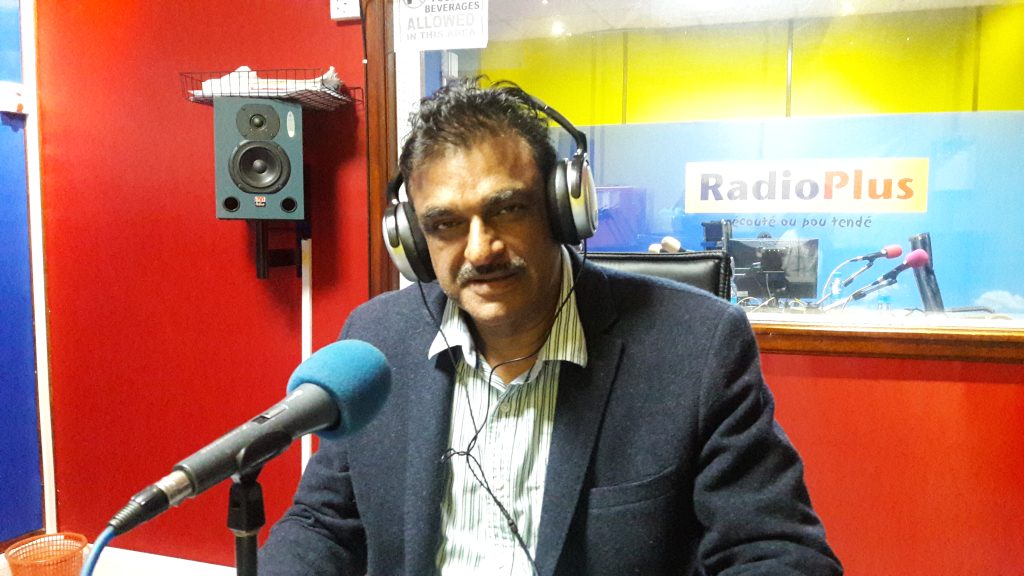
I speak on addiction medicine, mental health, integrative care, physician leadership, wellness, trauma and the future of healthcare.
My talks draw not only from theory, but from more than four decades of clinical work across psychiatry, emergency medicine, addiction treatment, international medical assistance and institutional leadership.
18 July 2026
Today I reflected on how easily we define people by their diagnosis.
We say “the alcoholic,” “the depressed patient,” or “the anxious executive,” and gradually the human being disappears behind the condition.
A diagnosis can guide treatment, but it must never become the person’s identity.
The task of medicine is not merely to name what is wrong. It is to help the individual rediscover what remains possible.
Individuals and families often contact me at moments of uncertainty—when a health condition has become complex, when addiction is affecting a family, when previous treatment has not produced lasting progress, or when they need guidance towards an appropriate programme of care.
The first step is a private conversation to understand your situation, clarify your priorities and
determine the most appropriate direction.
Where necessary, care may involve one of the organisations I lead, collaboration with other specialists, or independent medical guidance.
After more than forty years, I remain convinced that the future of medicine depends not only on new technologies or treatments, but on our ability to understand the whole human being.
This website is a growing record of that journey—what I have learned, what I have built and what I still hope to contribute.